
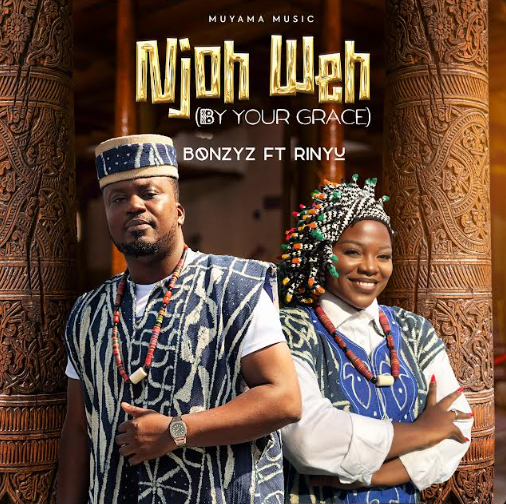
By your grace: Bonzyz and Rinyu deliver Easter hymn “Njoh Weh”
What are you grateful for? Family? Friends? Work? Or simply the gift of life itself? These are the questions answered […]

What are you grateful for? Family? Friends? Work? Or simply the gift of life itself? These are the questions answered […]
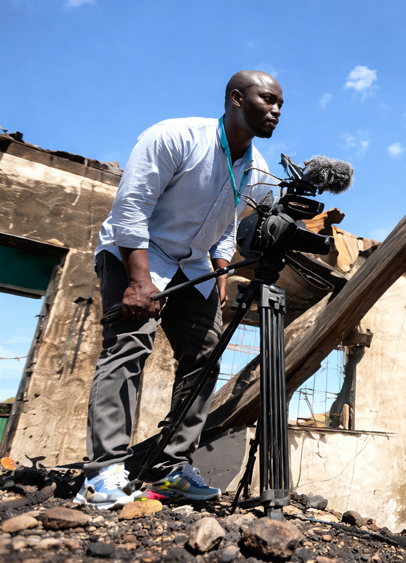
“Seeing people whose body parts had been chopped off was painful at first, but you eventually become immune to it…”

While some media institutions acknowledge online abuse, many still lack clear, enforceable policies that make women feel genuinely protected.

Both trainers also shared their expertise with students and faculty at CT University’s School of Social Sciences and Liberal Arts

technology alone does not automatically produce trust, especially among first-time formal sector entrants who may already feel structurally distant from administrative systems.

Now that the 65-page CV is trending, there is no better time to turn the mirror on ourselves as Cameroonian journalists.

“This collaboration marks an important step in DearYou’s growing presence in Central Africa, where trusted local voices play a crucial role in promoting informed dialogue on women’s health…

One reporter I never met but keep hearing about is Sylvanus Ezieh of The Guardian Post newspaper. Based on stories

A night meant to close the CAMASEJ AGM became a mirror, reflecting the discipline, tensions, humour, excesses, and quiet lessons of a profession that knows how to argue, organise, and celebrate in equal measure.

Media and communications practitioner, Giyo Ndzi is expected to share insights on his craft at the Bolessa Academic Conference, scheduled