
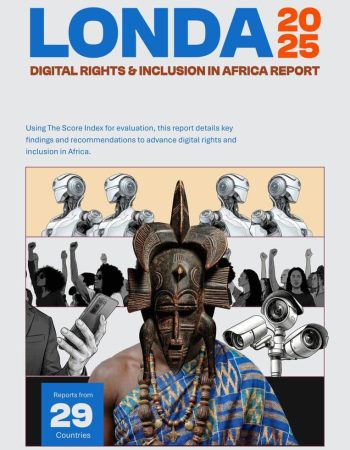
Cameroon has recorded one of the sharpest declines in digital rights performance across Africa, dropping 10 places in the latest continental digital rights ranking released by Paradigm Initiative.
The findings were unveiled during the 2026 edition of the Digital Rights and Inclusion Forum (DRIF26), where Paradigm Initiative launched its highly anticipated Londa Report 2025, an annual assessment of internet freedoms, digital inclusion, privacy protections, and online civic space across Africa.
While countries like South Africa, Ghana, and Namibia retained top positions for respecting digital rights, Cameroon’s fall places fresh scrutiny on the country’s digital governance landscape at a time when internet access, online freedoms, and misinformation are becoming increasingly central to civic life.
According to the report, Cameroon joins Nigeria among the countries with notable declines in the rankings, reflecting broader concerns about shrinking digital freedoms and persistent structural challenges affecting citizens online. The report comes against the backdrop of years of digital tensions in Cameroon, from internet shutdowns in the Anglophone regions to increasing concerns around online surveillance, misinformation, digital exclusion, and the vulnerability of journalists and activists operating online.
Paradigm Initiative’s newly released research report, Africa Facing Down: Disinformation, also places Cameroon among six African countries studied for the growing impact of false information and manipulative online narratives. The report warns that emotionally charged content, identity-based narratives, and online influencers spreading falsehoods are increasingly shaping public discourse across the continent.
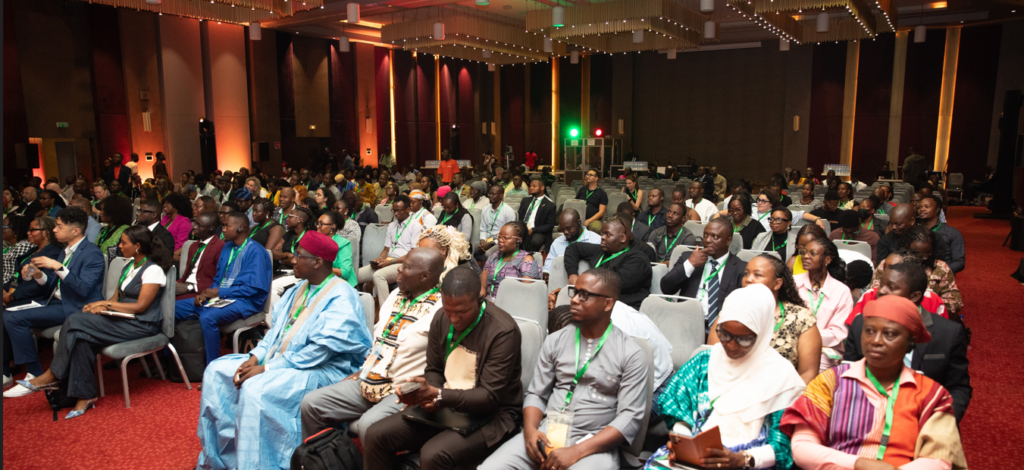
For Cameroon, the findings are particularly significant ahead of an increasingly digital political and civic future where elections, activism, journalism, and public debate are all heavily mediated online. Speaking during the opening ceremony of DRIF26, ‘Gbenga Sesan stressed the need for African countries to move beyond assumptions of progress and honestly assess inclusion gaps across the continent.
“We must continuously assess where we are, because we too often assume progress without truly measuring it,” he said.
The three-day forum in Abidjan gathered digital rights activists, policymakers, researchers, journalists, and technology stakeholders from across Africa to discuss issues ranging from internet access and artificial intelligence to surveillance, digital public infrastructure, and online safety.
The event also saw the launch of Paradigm Initiative’s Digital Rights On-Demand Learning (DROL) platform, offering free digital rights courses, alongside the premiere of The Signal, a short film exploring how internet exclusion continues to affect vulnerable rural communities across Africa.
As Cameroon continues its digital transition, the country’s decline in the continental ranking raises difficult but necessary questions: Who gets access to the digital space? Who feels safe online? And how prepared is Cameroon for a future increasingly shaped by technology, data, and digital participation?