
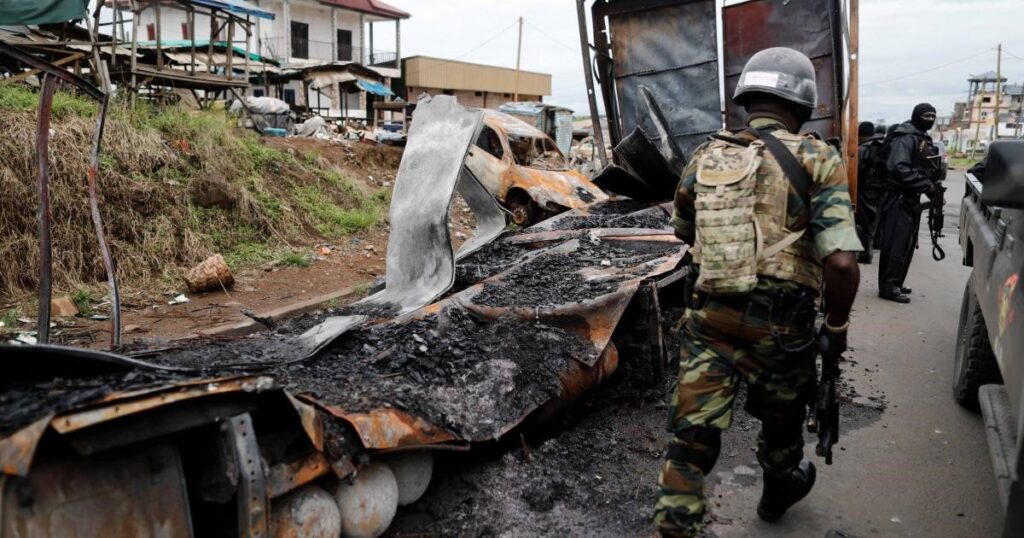
After close to ten years of armed conflict, mornings in Bamenda, North West Region of Cameroon, often begin quietly now, but journalists know how quickly that calm can be broken. In most instances, it starts with a WhatsApp message or a Facebook alert of a shooting, kidnapping or a mutilated corpse found somewhere in town. Within minutes, reporters begin calling sources, scanning social media videos and phoning colleagues on the ground. Someone will eventually go to the scene and maybe speak to grieving relatives.
Others will watch the footage again and again to confirm what happened or describe the scene to their audience. Hours later, the public will read a carefully written report and in most cases, sympathise with the victims. What they will not see are the images that stay with the journalist long after the story is published.
When journalists rush to scenes of shootings, kidnappings and burned villages in Cameroon’s conflict-affected North West and South West regions, the public rarely sees what happens before the story reaches the newspaper pages or the screens. What remains largely invisible is the psychological burden carried by the reporters who gather those stories, journalists who often witness grief, violence and fear up close, then return to the newsroom expected to write about it with calm objectivity.
For many of them, the assignment does not end when the story is filed. For Blaise Eyong, a field reporter who has covered the Anglophone crisis since its earliest days, one assignment in Kumba in October 2017 still returns unexpectedly. He had gone to report on the killing of a man during the early days of the violence.
Inside the victim’s home, family members and neighbours had gathered around a framed photograph of the deceased. His mother, overcome by grief, fell to the floor.
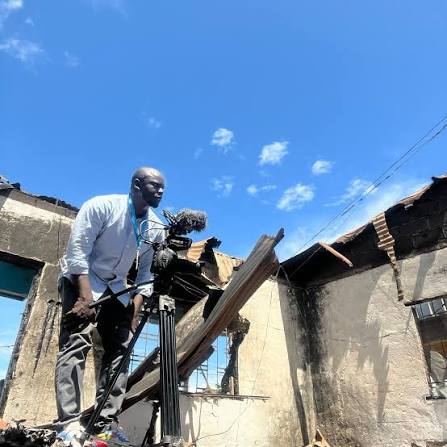
“She kept crying and rolling on the ground beside the picture,” Eyong recalls. “That image has stayed with me for a long time.”
Over the years, he has reported on countless incidents tied to the conflict: shootings, kidnappings, destroyed homes and grieving families. Yet some scenes refuse to fade.
“I have seen quite a lot during this conflict,” he says. “But there are moments that leave you completely shattered.”
With time, something else happens, something many conflict reporters recognise but rarely speak about. “You get immune to it,” he says.
At first, the sight of mutilated bodies or injured civilians is shocking but after prolonged exposure, the reaction becomes muted.
“Seeing people whose body parts have been chopped off was painful at first,” he explains. “But after a while, you start getting used to it.”
Mental-health experts say experiences like Eyong’s are not unusual among journalists working in conflict environments. Repeated exposure to distressing scenes can leave long-lasting psychological impressions, especially when reporters are expected to move quickly from witnessing trauma to documenting it.
“Historically, human beings have had to live in a world where survival was incumbent on the ability to identify and respond appropriately to threats in the environment. While one of the positive effects of modernization has been that we no longer face the same kinds of threats as when civilization was just a bunch of people roaming in the forests trying to not be eaten by wild animals, some of the mechanisms we developed to survive are still in our possession and sometimes get activated in (over)response to perceived threats in our environment,” Dr Teboh Sylvanus of the Pan-African Mental Health Institute (PANHI), explains.
This, he adds, “is the reason exposure to traumatic scenes such as mutilated bodies or even grieving families often results in persistent memories because several hundred years ago, such scenes would have indicated extreme danger and a high likelihood of experiencing the same thing. While this may not necessarily be true, your body has just not un-evolved enough to know the difference.”
Without structured psychological support systems in many newsrooms, journalists often rely on personal coping strategies. For Blaise, that means stepping away when he can, taking holidays, spending time with family, exercising or watching movies to take his mind off what he has seen.
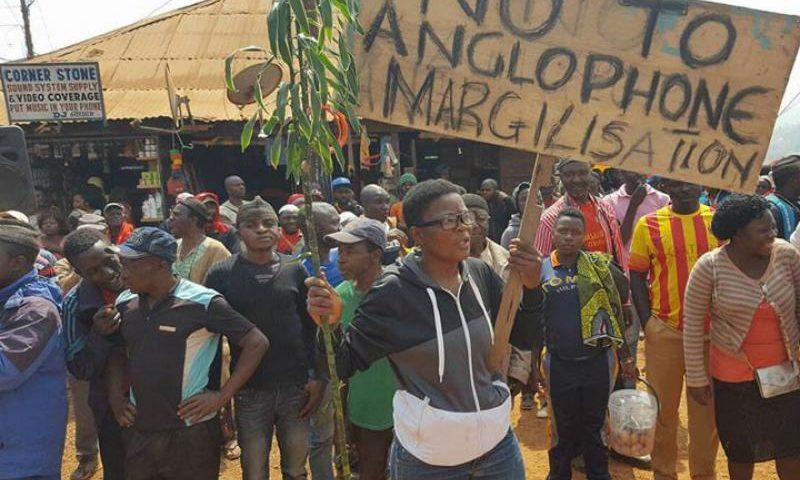
These personal coping mechanisms are common among journalists covering the crisis. But they are often the only support available and do not provide a comprehensive outlet. While some international media organisations provide safety briefings and mental-health evaluations for field reporters, many local newsrooms operate with limited resources.
Editors say they try to protect reporters through practical measures: discouraging coverage in extremely dangerous areas, or removing bylines from sensitive stories that could expose journalists to retaliation.
Still, those precautions cannot shield reporters from the emotional weight of what they witness.
When trauma follows journalists home
For some reporters, the psychological impact of the conflict is not limited to the field.
Doh Bertrand, now a newsroom editor, who once reported from the South West region, says memories of violence often return unexpectedly. In February 2020, he survived an attack while returning from covering elections in Mamfe, South West region. Gunfire erupted along the road, leaving him psychologically shaken for months.
Even now, the memories resurface when he edits certain stories.
“When I edit scripts about convoys attacked or gunshots from the bushes, it reminds me of what I went through,” he says. “You continue to be affected.”
Burnout, he adds, is common among reporters covering the conflict. Journalists often work long hours with little leave while constantly processing stories of violence.
Many journalists describe a gradual emotional detachment after prolonged exposure to these traumatic scenes. What begins as shock eventually becomes a kind of emotional distance, a coping mechanism that allows reporters to continue working. But psychologists say this reaction is a result of suppression or repression of these unpleasant or painful memories, and can come with hidden consequences.
“Whichever one it is,” Dr Teboh says, “the bottom-line is that these are both immature defense mechanisms which indicates that failing to process difficult thoughts and memories is unhealthy as these could unknowingly contribute to severe depression, anxiety, and post-traumatic stress disorder (PTSD) which could be difficult to treat unless these memories could be explored and addressed in the context of trauma-focused therapy.”
The institutional gap
Despite the psychological strain of reporting on conflict, conversations about mental health remain rare in many Cameroonian newsrooms. Andrew Nsoseka, Editor at The Post newspaper, says the industry often focuses so intensely on telling the story that it forgets the people gathering it.
“We are used to just trying to tell the story,” he says. “But we forget that the things we are exposed to take a toll on us.”
Over time, he says, the effects become visible.
“You can look at some reporters and tell they are burned out.”
Yet, formal psychological support systems remain limited as most assistance comes informally. It is usually colleagues encouraging each other or editors allowing reporters to take time off when exhaustion becomes obvious. But in a society where mental health is rarely discussed openly, journalists often process their experiences alone.
For Sah Terence Animbom, president of the Bamenda chapter of the Cameroon Association of English Speaking Journalists (CAMASEJ), the psychological pressure on reporters covering the conflict is both visible and deeply concerning.
“Journalists covering the Anglophone crisis are not reporting from a distance,” he explains. “They are covering violence happening in their own communities. Sometimes the victims are their relatives, neighbours or friends.”
According to him, this proximity to violence makes the emotional toll particularly severe.
“They witness atrocities firsthand. In some cases, journalists have had to report on incidents affecting members of their own families. Trying to balance professional detachment with personal grief can be extremely traumatic.”
The insecurity surrounding the conflict also places reporters under constant pressure.
“When you publish a story, an armed group might call to complain about your reporting. At the same time, journalists have seen colleagues arrested or detained because of their work. Living with those threats creates constant fear and anxiety.”
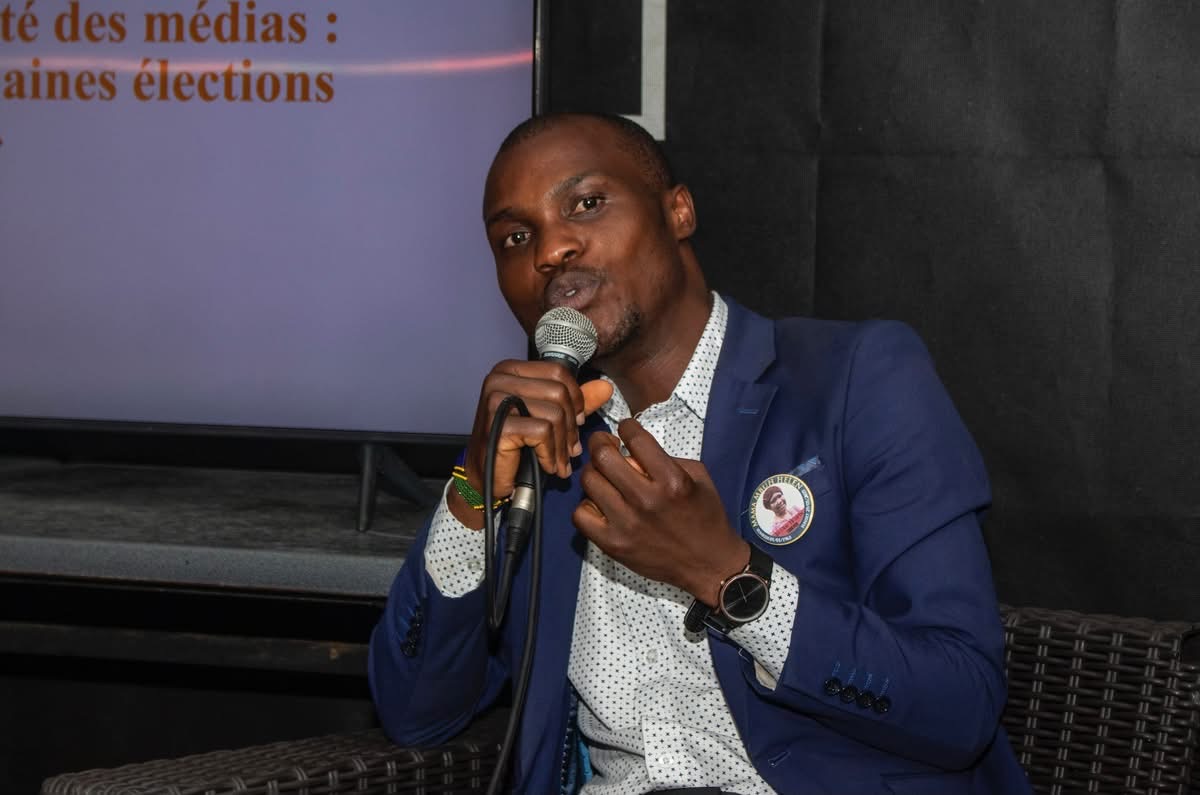
The pressure has forced many journalists to abandon the region altogether.
“It would interest you to know that close to 100 journalists have had to relocate from the North West and South West regions because of the conflict,” he says.
Beyond security risks, economic hardship adds another layer of stress.
“With advertising revenues falling and many media houses struggling financially, journalists are often poorly paid or sometimes not paid at all,” he notes. “That creates additional psychological pressure when reporters are unsure how they will cover basic living expenses.”
Despite these realities, Sah Terence says structured psychological support systems for journalists remain largely absent.
“As far as we know, there is currently no formal mental-health support scheme for journalists working in the region,” he says. “In many cases, journalists are simply left to cope on their own.”
In response to these challenges, CAMASEJ Bamenda recently organised the Northwest Media Forum, bringing together journalists, civil society organisations and academics to discuss the welfare of reporters working in the region. Among the proposals under discussion is the creation of a social protection scheme that could include health insurance and basic psychosocial support for journalists.
A cold ‘welcome’ to younger reporters
For younger journalists entering the profession, the emotional shock can be even more overwhelming. Mboh Promise, who began reporting on the crisis in 2021, remembers one of his most difficult assignments in Bamenda. Several people had been killed overnight. When he arrived the following morning, the streets still carried the signs of violence.
“There was blood, slippers and personal belongings left behind,” he recalls. Relatives of the victims were still trying to understand what had happened.
“It was one of the most difficult assignments I have ever covered,” he says. Even after filing the story, the images lingered: “Some scenes are hard to get out of your memory.”
For journalists like Mboh, the job also requires repeatedly watching disturbing videos and photographs in order to describe events accurately. “You have to watch them,” he says. “Otherwise you cannot tell the story properly.”
Psychologists warn that constant exposure to traumatic content, whether through field reporting, interviews or visual material, can gradually affect a person’s emotional resilience.
“Exposure to any kind of trauma whether first-hand or thorough media greatly increases the risk of mental illness including depression, anxiety and PTSD. There is unfortunately a dose-response relationship in that the more severe the trauma and the more frequent the exposure, the higher the likelihood of developing mental and emotional difficulties related to the trauma,” Dr Teboh explains.
“It therefore goes without saying,” he adds, “that journalists who have had the difficult job of reporting on the crisis have had no choice other than repeat exposure to varying degrees of trauma which unfortunately places them at increased risk of trauma-related mental health sequelae.”
When families become concerned
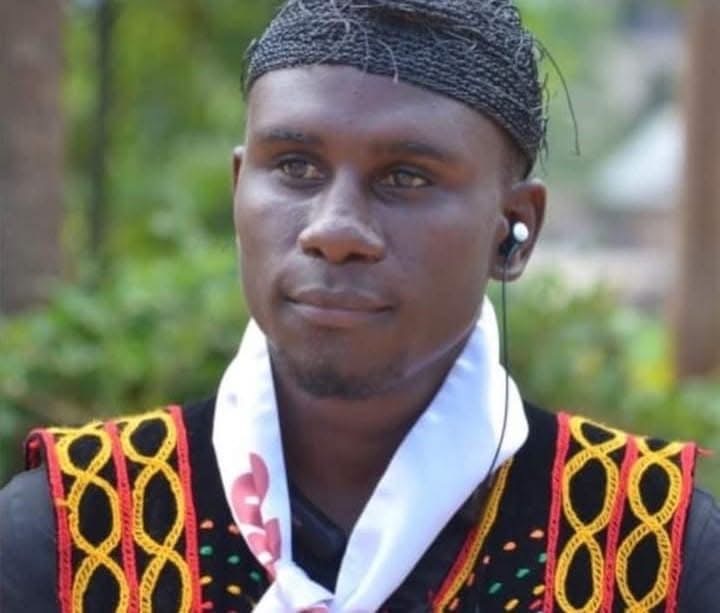
At least two reporters have been killed in connection with the crisis, including Samuel Wazizi, who died in government custody in 2019 after reporting on the conflict, and Anye Nde Nsoh, shot in Bamenda in 2023. Beyond fatalities, several journalists have been kidnapped or abducted by armed actors, including BBC correspondent Frederick Takang in 2022 and others such as Larry Uchenna, Fung John Ngum, and Ambe McMillan at various points during the crisis.
Many have also faced threats severe enough to force them into exile or internal displacement, with reports indicating that dozens have fled or been uprooted due to intimidation and insecurity. These figures underscore the physical dangers that accompany the emotional toll documented by reporters on the ground.
For those still living and reporting in the regions, the psychological burden is not limited to themselves. Their family members often worry about their safety, or them getting caught in the web of the nearly decade-long armed conflict.
Mboh says relatives frequently send him his own published articles as reminders of the risks he faces.
“They tell me to be careful,” he says.
After the killing of a close colleague in Bamenda in 2023, the pressure from loved ones intensified and some urged him to leave the region altogether. At times, he has even considered seeking professional counseling.
“I really feel like I need to sit with a mental-health expert,” he admits.
While all journalists covering Cameroon’s Anglophone crisis face immense psychological pressure, female reporters often navigate additional layers of challenge. Beyond the trauma of witnessing violence, women contend with societal expectations, gendered biases in assignments, and heightened concern for personal safety.
Many female journalists describe a tension between professional duty and personal vulnerability. Assignments in conflict zones can be physically demanding and emotionally taxing, and women often feel the weight of proving their competence in a male-dominated field. Editors sometimes hesitate to send women into the riskiest zones, which can inadvertently limit opportunities or reinforce gender hierarchies within newsrooms.
Protecting journalists on the frontlines
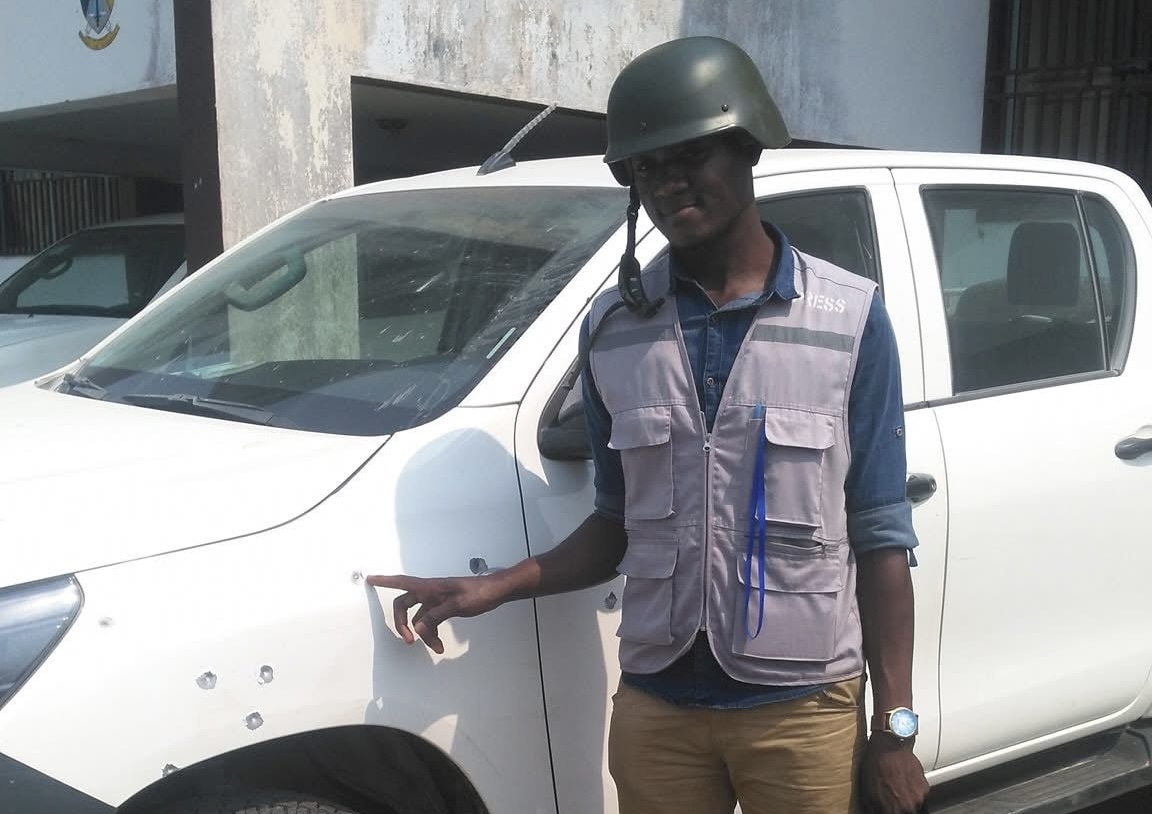
Mental-health specialists say news organisations can play a critical role in protecting journalists working in high-stress environments. Structured counseling, trauma-awareness training and regular psychological check-ins can significantly reduce the long-term impact of conflict reporting.
Even when institutional support is limited, Dr Teboh says journalists themselves can adopt strategies to protect their mental well-being: “Unfortunately, the state of the professional landscape in Cameroon often leaves not just journalists but also every other professional to figure out their mental wellness by themselves.”
While a healthy diet, spending more time to build healthy relationships with friends and family are beneficial, he believes understanding the necessity of trauma-focused therapy and talking to a licensed therapist whenever there are consistent exposures to traumatic events remains a key solution.
He notes that even where it may be financially challenging to afford a licensed therapist, journalists should consider utilising free online resources.
“Always remember you are replaceable at work. Take a break, take a trip and take care of yourself first.”
The invisible wounds
Despite the emotional strain, many journalists continue reporting on the Anglophone crisis. For Eyong Blaise, the reason remains clear. Journalism, he says, is essential for society. “It is important for democracy, for human rights, for humanity.”
Without reporters documenting events in the conflict zones, many stories might never reach the public. Yet behind every report are journalists who have witnessed grief, listened to stories of loss and returned home carrying memories that are difficult to erase.
The danger they face is not only physical. Sometimes the deepest wounds are the ones no one can see. Late at night, after the stories are filed and the newsroom grows quiet, many journalists are left alone with the memories of the day: a grieving mother’s cry, mental images of blood spilled on a roadside, a phone call announcing another death and the fear that they or a loved one could be next.
For some readers, radio listeners and TV viewers, those moments may last only as long as it takes to finish an article. But for the reporters who witnessed them, they last much longer. And in a region where violence has become routine, the invisible wounds carried by journalists are among the least talked about casualties.
Giyo Ndzi