
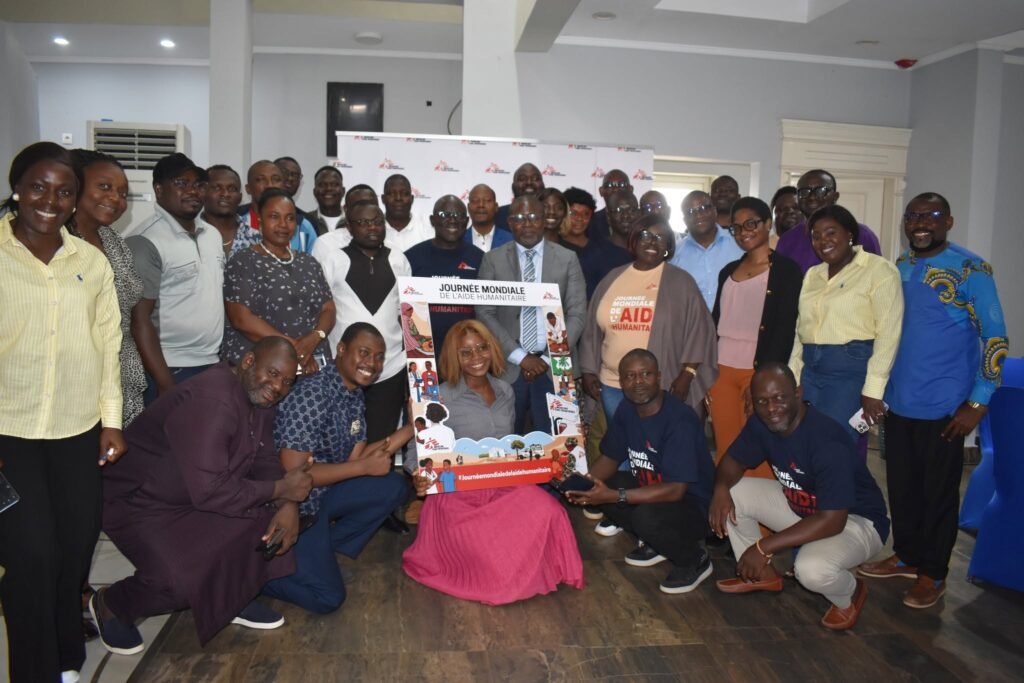
Renowned international and independent organisation, Doctors Without Borders (MSF) has urged journalists to strengthen their understanding of humanitarian work and improve on the quality of their reports.
The appeal was made on Wednesday August 19, 2026 in Yaounde. This was during an interactive workshop in Yaoundé.
The workshop, held on World Humanitarian Day, brought journalists and MSF staff together for practical activities. It was an opportunity for media professionals to get abreast with how humanitarian teams operate during emergencies.
World Humanitarian Day is observed every 19 August to honour humanitarian workers and stand with people affected by crises. This year’s edition was held under the them: Act for Humanity.
The aim of the workshop was to strengthen dialogue with the media. The MSF described the fourth estate as an important channel for reliable information, while encouraging reporting that protects the dignity of vulnerable people.
Learning through simulation
Participants were placed in the middle of a simulated Ebola outbreak and asked to take on the role of humanitarian responders.
During the exercise, they had to assess the situation and make decisions as the scenario developed, while facilitators provided guidance and corrections.
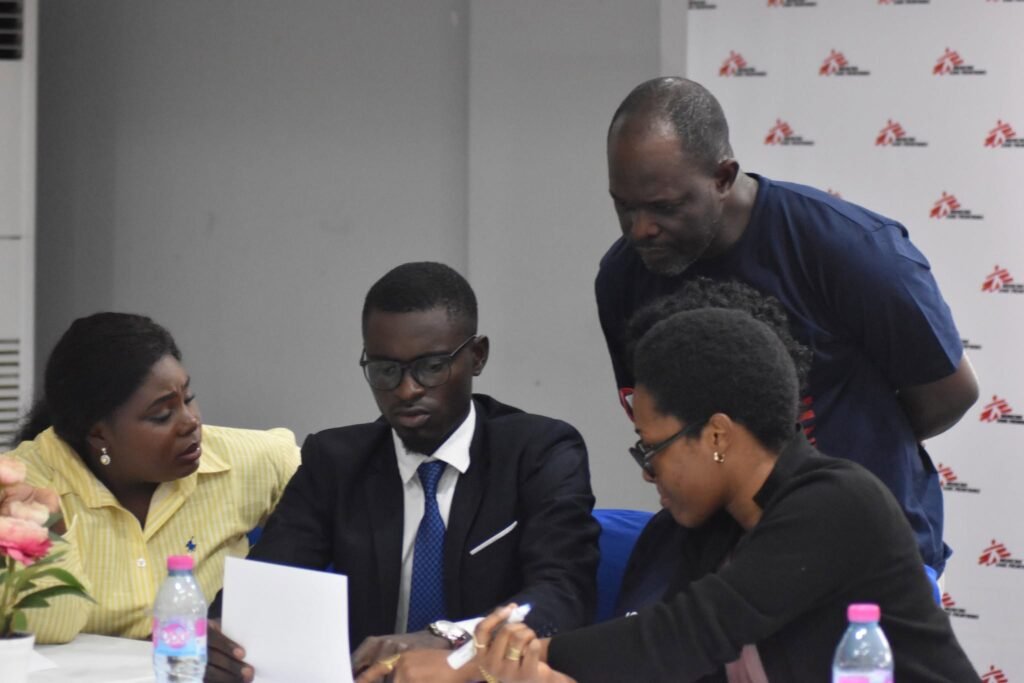
The exercise was one of several activities during the workshop. Participants also took part in a treasure hunt, solving riddles as they moved through the activity.
The Medical Coordinator, Dr Kevin T. explained how MSF’s medical teams prepare for outbreaks and other emergencies.
A key part of the response, he said, is understanding the nature of the emergency. This helps teams determine what medical equipment and supplies are required and what needs to be mobilised immediately.
The Logistics Coordinator, Dr Aboubakar L. then demonstrated the less visible side of emergency response — how materials are organised and positioned so they can be deployed quickly during disasters, pandemics and other crises.
He also highlighted the role of collaboration, showing that an effective humanitarian response depends on several teams and partners working together.
Closing the information gap
The workshop ended with a discussion between journalists and MSF representatives on how to improve communication between both sides, particularly by making the exchange of information more seamless.
The discussion highlighted a challenge that extends beyond a single workshop: humanitarian organisations need to communicate reliable information quickly, while journalists need access to accurate information to explain crises clearly to the public.
For people caught in emergencies, it was revealed, that relationship can matter. It was also revealed that a medical response may save a life, but accurate information can help communities understand a crisis, know where assistance is available and see the realities facing vulnerable people.