

When a book is published, there is a lot of excitement over the inside pages of the book, and no one ever bothers about how accessible the content will be to others.
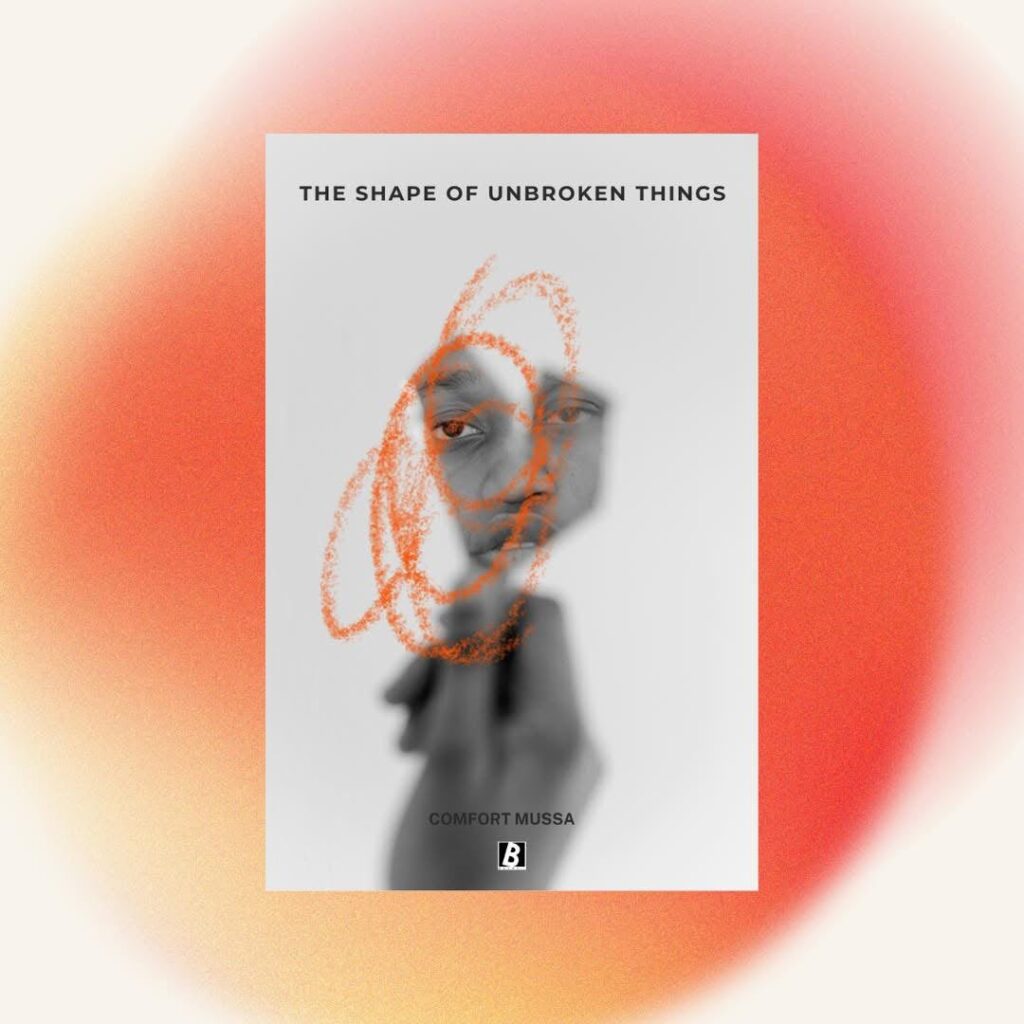
History will be written in August 2026 when award-winning Cameroonian journalist and gender and disability rights advocate Comfort Mussa publishes her debut novella titled The Shape of Unbroken Things/Ce Qu’on Ne Brise Pas.
Millions of readers living with disabilities find it difficult to access books that meet their needs.
Braille editions often appear years after release, audiobooks are treated as optional additions, and multilingual accessibility remains rare, particularly in Africa.
Comfort Mussa is changing that narrative.
The Shape of Unbroken Things, published by Bakwa Books, has been designed from the beginning to reach readers regardless of how they experience stories.
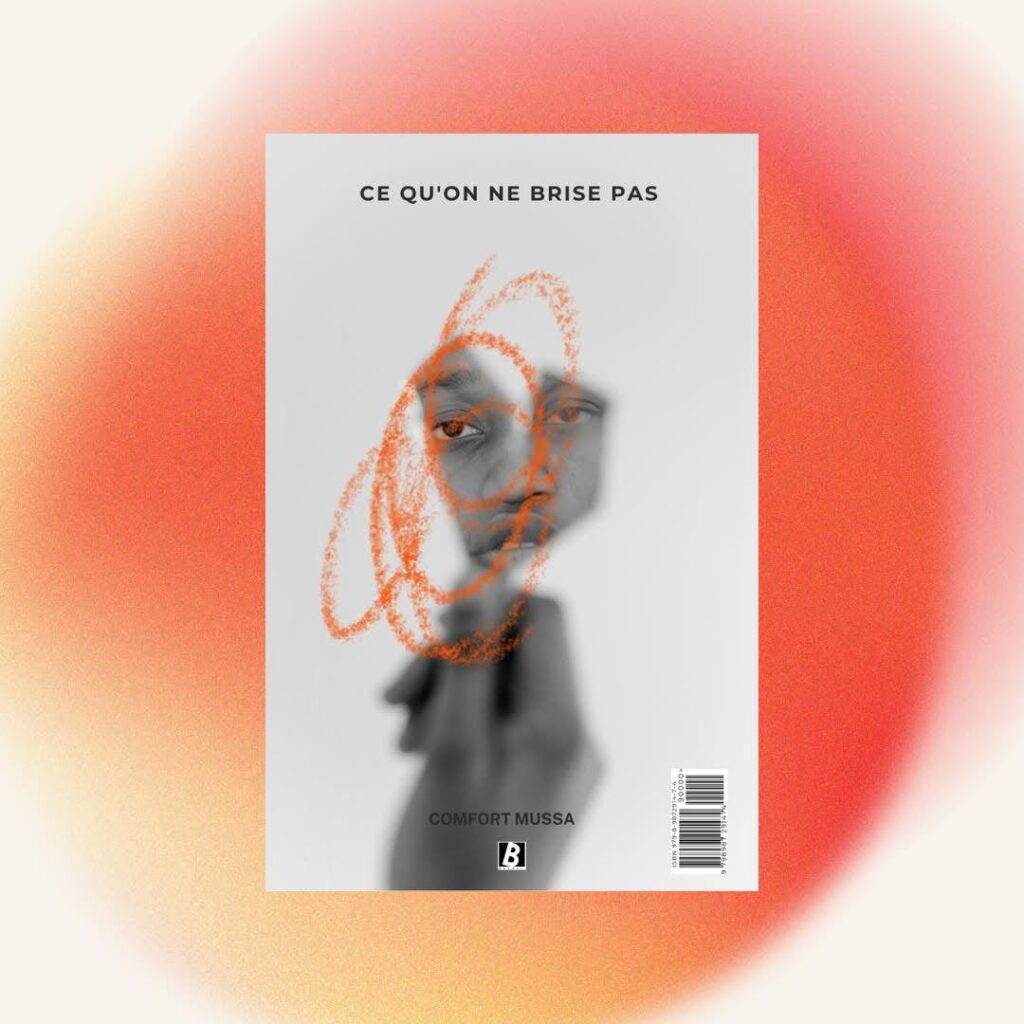
The novella will be released simultaneously as a bilingual English-French tête-bêche edition, allowing readers to begin the story from either language.
It will be available in English and French braille editions, an eBook version, and an audiobook currently in production.
The novella is an ambitious publishing model that prioritises accessibility rather than treating it as an aftermath.
A story about resilience
At the heart of the novella is Iya, a young girl trying to rebuild her identity after a life-altering amputation.
Starting life at a new school, she encounters cruelty and alienation while navigating adolescence and living with a disability. Her journey changes when she befriends Mambo, whose perspective has been shaped by growing up with a mother who has a hearing and speech disability.
Together, the girls offer each other a space where difference becomes strength rather than limitation.
Although written as young adult fiction, the themes resonate beyond teenage readers. The story explores disability, identity, exclusion and acceptance with empathy, presenting experiences that remain largely underrepresented in African literature.
Making accessibility part of the story
The publication itself reflects the values explored in the novella.
The Braille editions are being produced through a partnership among Bakwa Books, Coco Bertin, and the Inclusive Vocational Training Institute.
According to Mussa, “The Shape of Unbroken Things is for readers who read with their eyes, ears, hands, and hearts, and stands as a testament as to why physical books still matter”.
Readers with disabilities will not wait for an adapted version, as the publishing team is making accessibility part of the production process from the beginning.
The result will be one of the most accessible literary publications ever produced by a Cameroonian publisher and among the most inclusive publishing projects ever undertaken globally.
An advocate writing what she believes
Mussa shares that the story was born out of a deep interest in how young people navigate moments of growth and change.
“I also noticed a huge gap in literature, especially Cameroonian literature, available to young readers. I wanted to write a book that young people in Cameroon could see themselves in and truly connect with,” Comfort Mussa told Camer Today.
As a journalist with about nine years of experience working with the youth and sexual reproductive health projects 100% Jeune, she had the privilege of engaging directly with adolescents.
“That experience gave me first-hand insight into their challenges, resilience, and the ways they imagine their futures. It deeply shaped my understanding of adolescence as a fragile yet powerful stage of life”.
Rethinking African publishing
Since its establishment in 2011, Bakwa by Dzekashu MacViban has become known for championing multilingual publishing, experimental writing and emerging African voices, such as the Bakwa Story Prize and cross-continental workshops.
The Cameroonian-based literary and cultural platform encompasses Bakwa Magazine, Bakwa Books, and BakwaCast.
Its imprint, Bakwa Books, has published acclaimed writers including Mongo Beti, Hemley Boum, Nana Nkweti, and Bate Besong, establishing itself as a vital home for bold, boundary-pushing African literature.
With The Shape of Unbroken Things, Bakwa extends that vision beyond literary innovation to publishing accessibility, demonstrating that inclusive publishing is both possible and necessary.
“Readers can expect more experiments in format and storytelling that continue to ask: who is a book for, and how can it reach them?” Mussa assures.
At a time when conversations about diversity increasingly focus on representation within stories, the 98-page, paperback project shifts attention to another equally important question: whether everyone can access those stories in the first place.