
As Cameroon celebrates women in the month of March, the spotlight often falls on empowerment, resilience, and the achievements of women across sectors. Yet behind the celebration lies a quieter, harsher reality for women in the country’s newsrooms, particularly those navigating the dual demands of motherhood and journalism.
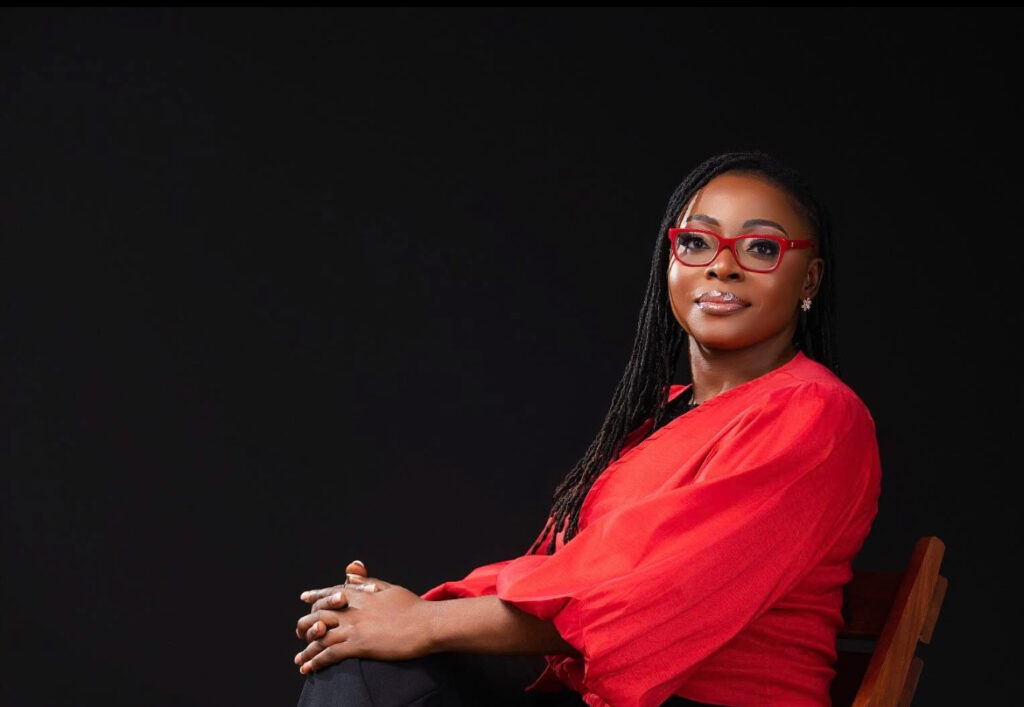
Comfort Mussa, an award-winning journalist and tireless advocate for women’s and disability rights, has spent years observing, documenting, and challenging the structural inequities that shape Cameroon’s media landscape. Speaking with Bizel Bi Mafor, she lifts the veil on a professional world where pregnancy can be a source of anxiety rather than joy, maternity protections are inconsistent or nonexistent, and career progression is frequently obstructed by unchecked harassment, and limited access to mentorship or training.
Her reflections are a crucial reminder that celebrating women in journalism is not just about honoring their accomplishments, but also about confronting the systemic barriers that make those accomplishments harder to achieve.
How secure do women journalists in Cameroon feel when they become pregnant or new mothers?
In reality, many women journalists especially those in the private sector or working as freelancers feel very insecure when they become pregnant or new mothers. Most do not have formal contracts that guarantee maternity leave, job protection, or even basic flexibility. I have seen cases where women return to work barely three weeks after giving birth because staying home longer means risking job loss. For many, pregnancy becomes a source of anxiety instead of joy, because their employment and financial stability often depend on their physical presence at work.
What barriers still slow women’s career progression in newsrooms?
A major barrier remains the persistent culture of patriarchy within many newsrooms. Leadership positions, prime beats, and high-visibility assignments often continue to favor men, which limits women’s access to decision‑making spaces and career‑advancing opportunities.
Another challenge is the uneven adoption of new technologies and digital tools. Some women hesitate to embrace certain innovations not because of lack of interest, but due to limited training, inadequate mentorship, or work environments that do not encourage continuous learning. This can unintentionally slow their progression in a rapidly evolving media landscape.
Sexual harassment also remains a deeply troubling obstacle. In several newsrooms, harassment goes unchecked, and many women face uncomfortable or unsafe situations with little to no protection. I have seen women forced to resign when the situation became unbearable because their workplaces lacked safeguarding policies and clear accountability mechanisms. This not only derails careers but also reinforces a culture of silence.
How seriously do media organisations take online harassment targeting women reporters?
Unfortunately, most media organizations do not take online harassment seriously enough to implement concrete measures. Discussions and debates on the issue exist, but very few newsrooms have clear policies, response mechanisms, or support systems for women who face digital abuse. The absence of structured accountability leaves female journalists largely to deal with harassment on their own, even though it directly affects their safety, mental well-being, and freedom of expression.
What survival strategies have women journalists informally developed?
Women journalists have developed several informal survival strategies that often go unnoticed by the public. One of the strongest is forming communities of care—small networks of women who share advice, safety tips, emotional support, and professional opportunities. Many also rely on online learning to strengthen their skills and stay competitive. Additionally, freelancing has become an essential strategy for gaining independence, flexibility, and a degree of protection from hostile workplace environments.
Based on local realities, what should the ideal workspace look like for a female journalist?
In my opinion, the ideal workspace for a female journalist in Cameroon should be safe, inclusive, and supportive. It should have clear gender-sensitive policies, including maternity support, anti-harassment guidelines, and equal opportunities for training and promotion. Flexible working conditions (especially for new mothers) should be standard, not a privilege. The environment should encourage continuous learning, embrace digital transformation, and promote a culture where women feel respected, protected, and empowered to grow professionally.